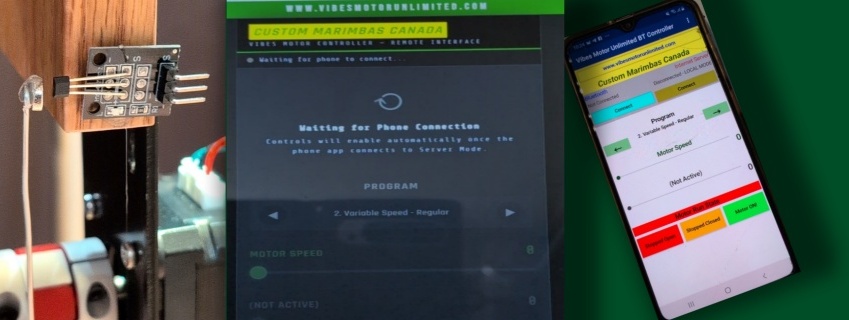
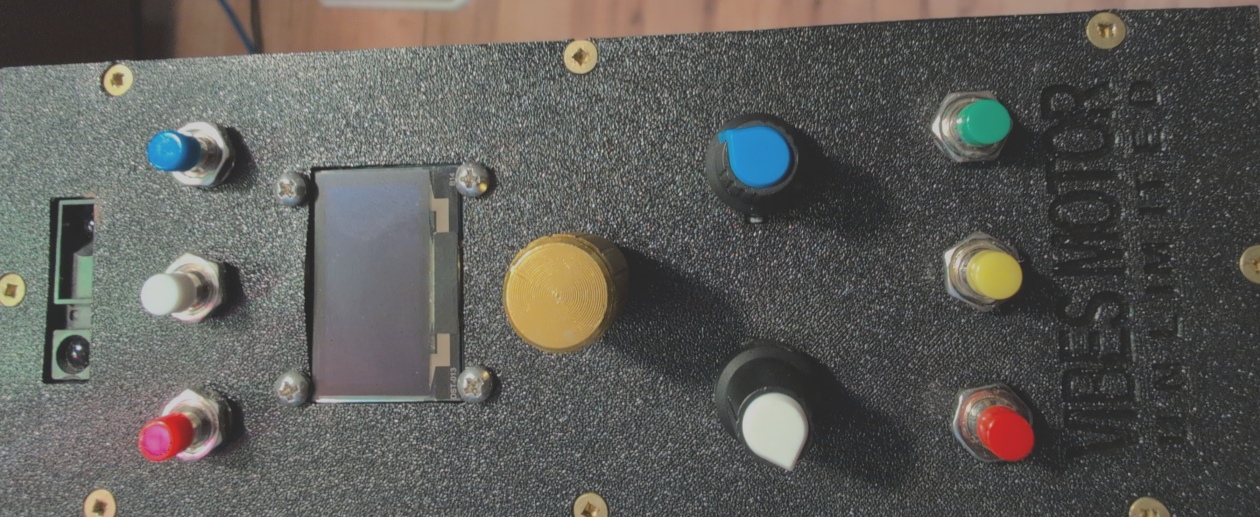

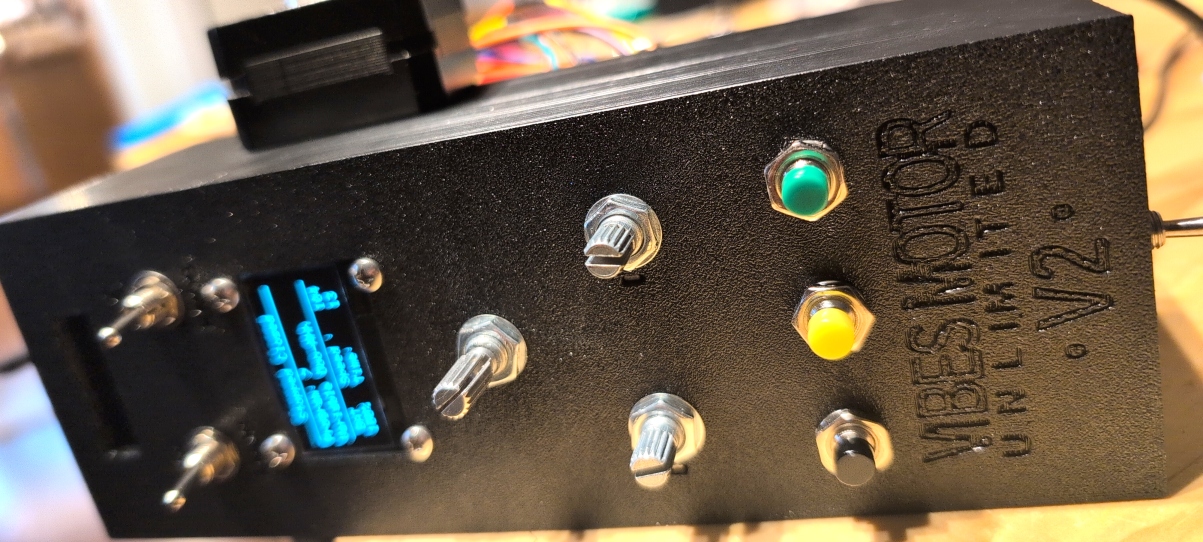
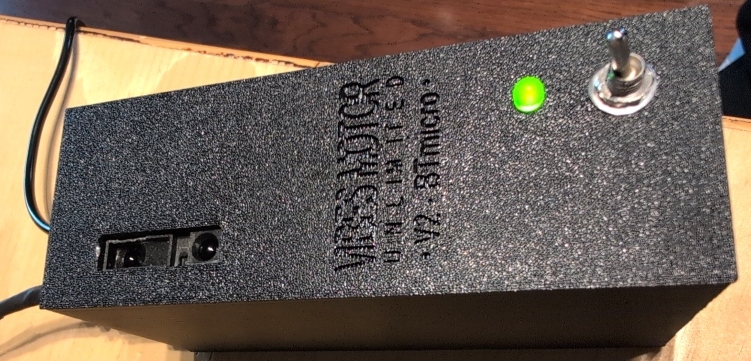
Preparing for the Next Phase
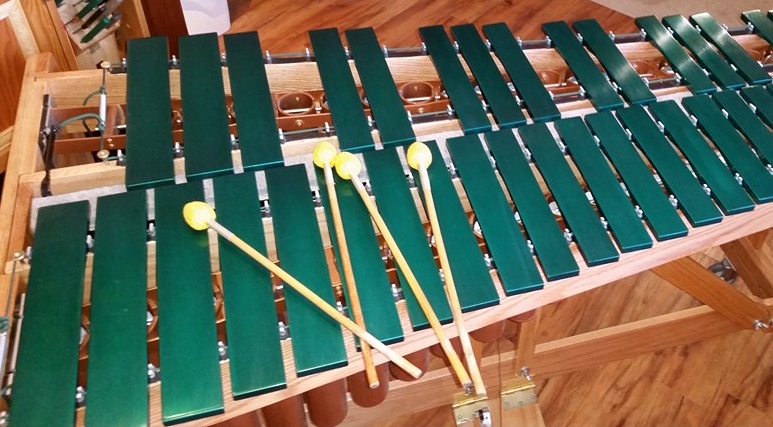
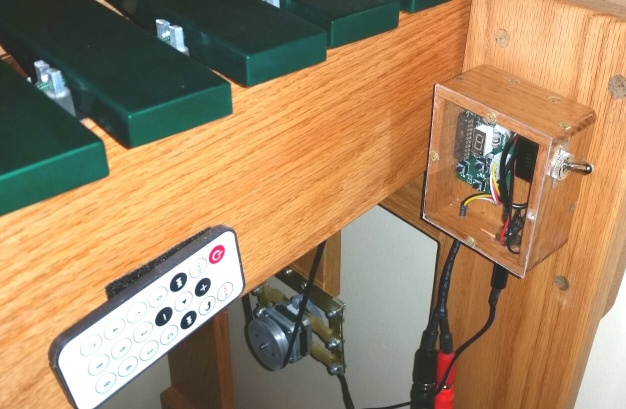
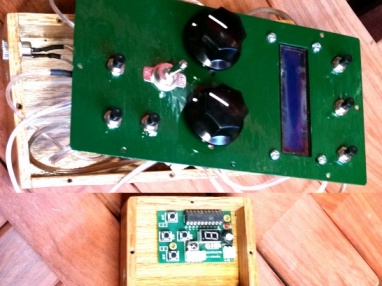
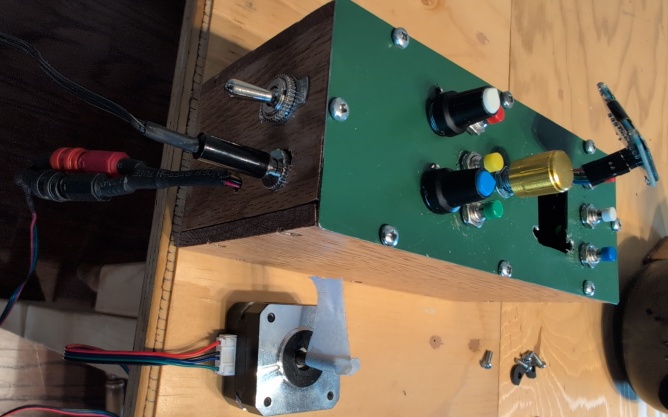
With the V1.0 vibraphone motor system at a satisfying stopping point, life moved on to other things. A house move at the end of 2018 led into a long stretch of renovations, and then COVID arrived and changed everyone's plans for a while. The vibraphone project went quiet — not abandoned, just set aside while other priorities took over.
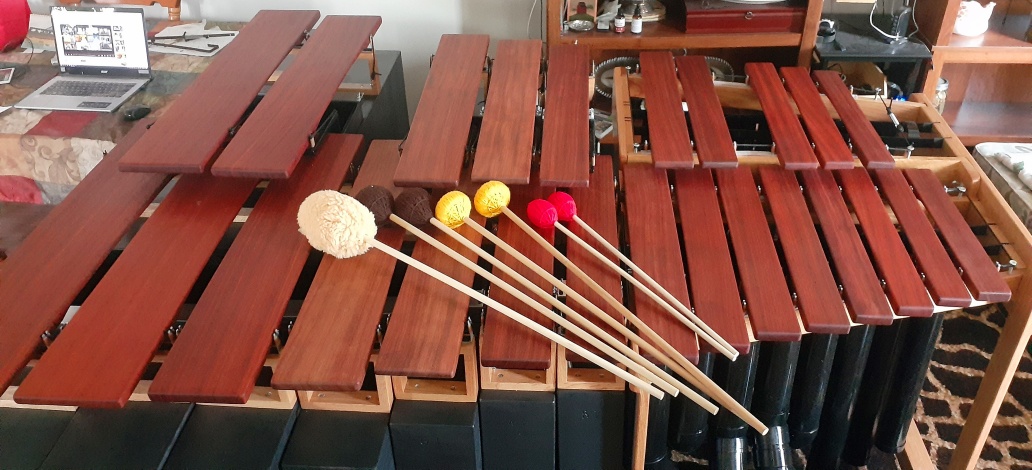
In truth, returning to marimba building felt entirely natural. I had been building marimbas long before I ever turned my attention to vibraphones, and there was plenty of unfinished business there. Over the following years I worked on resonator shape and layout, experimented personally with anodizing aluminium resonators, and designed adjustable tuning plugs that could sit inside resonator tubes for fine pitch correction. I also built a full set of bars on live video. These were fields I knew well, and it was good to be back in them.
Then something happened that changed the trajectory of everything. I had been talking with a percussionist friend involved in the Canadian Percussion Network about my history building some of the lowest-pitched marimbas in the world — instruments that, disappointingly, mostly no longer existed. They had been played, put aside, and lost. That conversation planted a seed. What if a new Contra Bass Marimba could be built — but this time with better design, better practicality, better longevity? An instrument built to stay alive. Shortly after, I received an invitation to be the keynote speaker at TSB IV — specifically to build the instrument and present it at the event. That settled it. I jumped in immediately.
That project became one of the most enjoyable builds of my life. Solving the real-world problems of a truly low-pitched instrument — the size, the resonator design, the playability — reinvigorated something in me. The love of inventing, of pushing the boundaries of what percussion instruments can be and do. It reminded me why I'd started all of this in the first place.
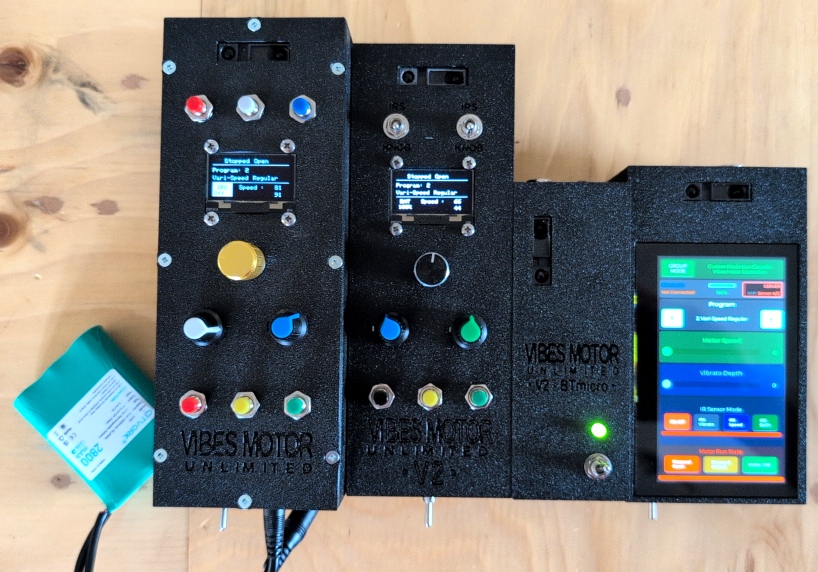
For the Vibraphone these years weren't wasted time — they were thinking time. I was building a lot of ideas about improving the current system.
In August 2025 I travelled to Winnipeg to make the keynote presentation at TSB IV — The Space Between, an event run by the Canadian Percussion Network. The presentation went well — but more importantly, I met a room full of people who thought the same way I did. Conversations about the limitations of percussion instruments. About what hasn't been solved yet. About what could be.
Watch the keynote below — the full Contra Bass Marimba presentation from TSB IV:
I left Winnipeg feeling genuinely inspired — and with a decision made. I would apply to come back the following year and make another presentation. The vibraphone motor project, abandoned for too long, would be the topic. And this time it would be truly great!
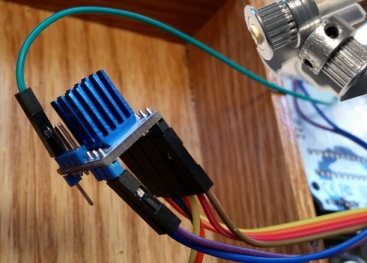
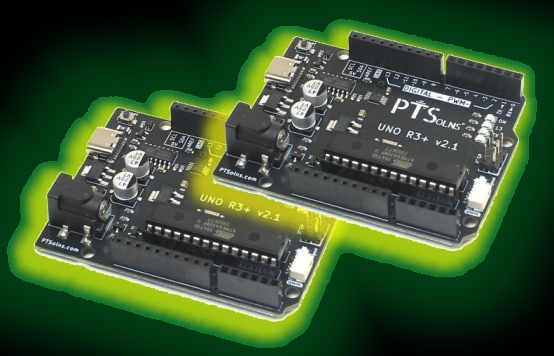
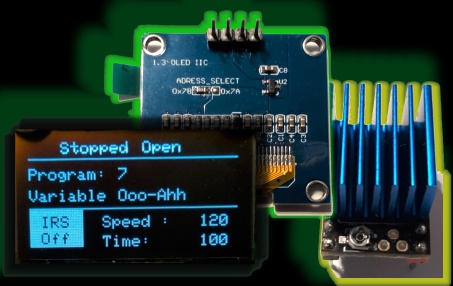
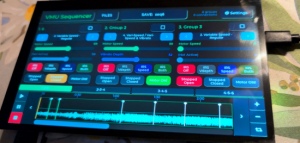
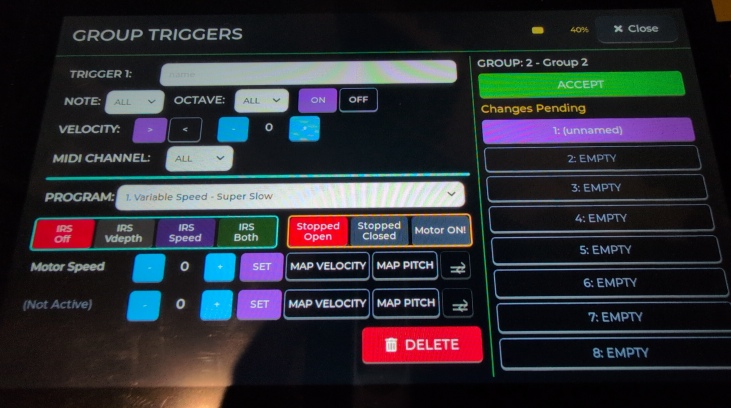
The timing felt right in more ways than one. In the intervening years, many of the electronic components I had first tinkered with had become far more commonly available and significantly cheaper. Ideas that once required compromise could now be done properly. And whilst I hadn't been actively building, I had been constantly thinking — about the limitations of the original system, about what needed to change, and about how it could all be put together in a way that other people could replicate too. Not just a one-off experiment, but a genuinely buildable system.
My proposal to present at TSB V was accepted. That event takes place in late May 2026 in Hamilton, Ontario — and it will be the official public launch of the Vibes Motor Unlimited system, and the website will launch the same day.
The time for just thinking was over. Now it was time to build!