
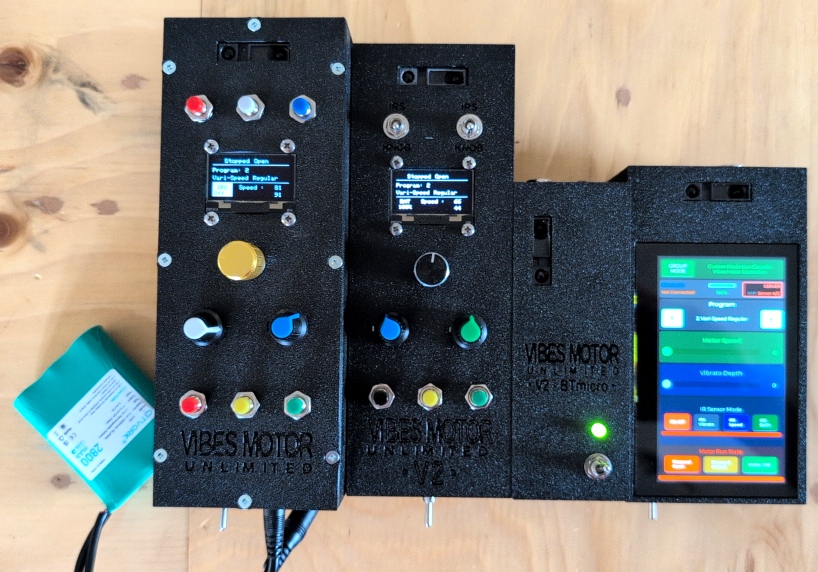
Exploring a New World of Control
By early 2018 I was ready to tackle the two lingering problems with my vibraphone motor setup: noise, and the limitations of speed control. The eBay remote system had served its purpose well enough, but it was always a compromise on the speed side — you pushed buttons to step through preset speeds rather than dialling in exactly what you wanted with a knob. It worked, but it felt blunt. I wanted something more responsive and more flexible, and I started searching for alternative ways to control stepper motors.
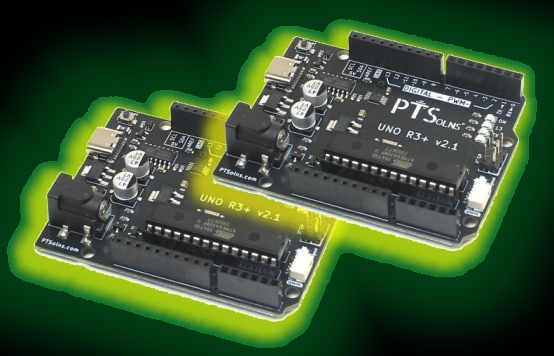
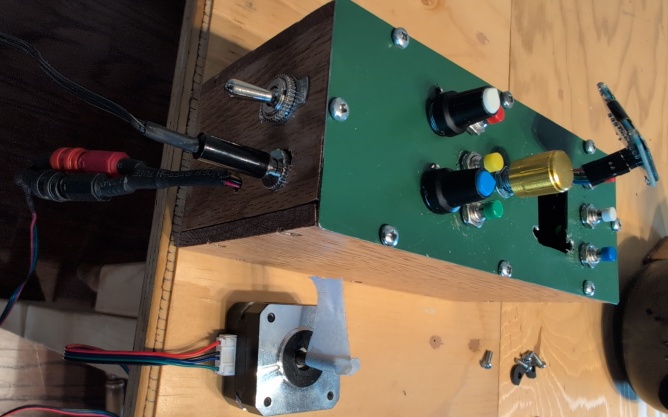
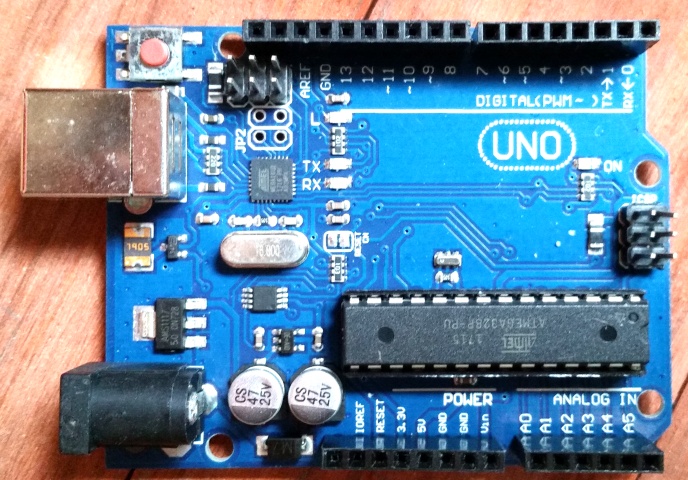
That search led me to the world of Arduinos. The entry-level board — the Arduino Uno — was inexpensive, small, and backed by an enormous community of hobbyists, educators, and engineers sharing code, tutorials, and solutions to every problem imaginable. One of the things that immediately caught my attention was how direct the integration with a stepper motor could be: you can literally connect the four motor wires straight to output pins on the Arduino and drive it from there, provided the motor's current draw stays within the board's limits. No intermediate driver board required for a modest stepper. And beyond that, the Uno has a generous set of I/O pins — including analogue inputs — that are made for exactly the kind of mechanical controls I was already familiar with: buttons, potentiometers, switches. Standard electronics components. No mystery.
The deeper appeal was what a microprocessor approach meant for the control of the motor itself. The original idea of controlling the motor with old-school electronics was just too tricky. Capacitors, resistors, and transistors arranged into timing circuits - difficult, bulky, and tough to make easy for other people like you! With the old eBay system, control was at least digital, but pre-programmed and impossible to modify. With an Arduino, all of that logic lives in software. You write the timing in code, and changing it is as simple as changing a number. I started working through example sketches online and learning how to program the board, and it quickly became clear that the possibilities went far beyond just faster or slower.
The real revelation came when I started thinking about what you could do with the steps themselves. A stepper motor doesn't just go forward and backward at different speeds — it responds to whatever sequence of pulses you send it. Which means that as long as you can write the algorithm, you can make the motor do anything: accelerate and decelerate smoothly, oscillate, pause, reverse mid-cycle, repeat a pattern. The fans on a vibraphone aren't just an on/off switch for the resonators — they're a modulation device. And if I could control exactly how they moved, I wasn't limited to a simple tremolo effect. The idea of multiple distinct modulation effects — different characters of vibrato, different rhythmic patterns — suddenly seemed not just possible, but entirely within reach. That was the moment the project changed.